
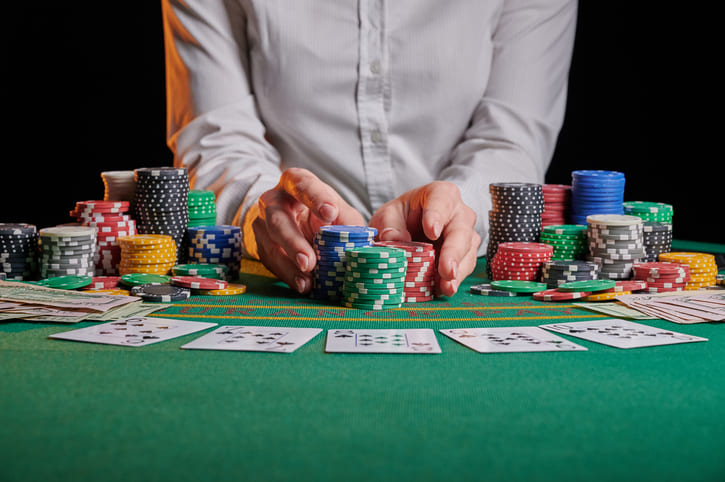
Poker is often misunderstood as a game of luck. In reality, consistent success at the table depends on strategy, discipline, psychology, and math—the same qualities that shape strong decision-making in everyday life. When practiced thoughtfully, poker becomes a training ground for skills that extend far beyond cards and chips.
Below is a clear look at how poker sharpens abilities that matter in careers, relationships, and personal growth.
Strategic Thinking and Long-Term Planning
Poker rewards players who think several steps ahead. Every hand forces you to balance immediate gains against long-term outcomes.
Key real-life takeaways include:
-
Evaluating trade-offs instead of chasing short-term wins
-
Planning under uncertainty, knowing you never have perfect information
-
Adjusting strategy when circumstances change
In business or personal finance, this translates to smarter planning, patience, and resisting impulsive decisions that feel good now but hurt later.
Decision-Making Under Pressure
In poker, hesitation can be costly. Players must make high-stakes decisions with limited time and incomplete data.
This skill carries over into real life by helping you:
-
Stay calm when stakes are high
-
Make clear choices without overthinking
-
Accept responsibility for outcomes, good or bad
Professionals who thrive under deadlines often use the same mental frameworks poker players rely on at the table.
Emotional Control and Discipline
One of poker’s hardest lessons is managing emotion. Losing a hand doesn’t mean losing control.
Poker strengthens:
-
Emotional regulation during setbacks
-
Awareness of frustration, ego, and overconfidence
-
The ability to detach feelings from decisions
This discipline is invaluable when handling workplace conflict, financial losses, or stressful personal situations.
Reading People and Social Awareness
Poker is a people game. Successful players learn to observe behavior patterns, timing, and subtle changes in attitude.
In real life, this sharpens:
-
Active listening skills
-
Sensitivity to nonverbal cues
-
Understanding motivations beyond spoken words
These abilities improve negotiation, leadership, and everyday communication.
Risk Assessment and Probability Thinking
Every poker decision is grounded in odds. Players constantly calculate whether a risk is worth taking.
This builds habits such as:
-
Thinking in probabilities rather than certainties
-
Weighing upside versus downside before acting
-
Avoiding emotional gambles disguised as logic
From investing to career moves, probability-based thinking leads to more rational choices.
Bankroll Management and Financial Discipline
Poker teaches a strict respect for money. Playing beyond your limits almost always ends badly.
Real-life applications include:
-
Budgeting with discipline, not optimism
-
Separating essential funds from risk capital
-
Understanding that sustainability beats flashy wins
These lessons align closely with responsible saving, investing, and long-term financial health.
Adaptability and Learning from Failure
Even the best poker players lose hands regularly. What matters is how quickly they learn and adapt.
Poker reinforces:
-
Reviewing mistakes without self-blame
-
Adjusting tactics when patterns stop working
-
Treating failure as feedback, not identity
This mindset encourages resilience in careers, entrepreneurship, and personal development.
Ethical Awareness and Personal Integrity
Poker also teaches the importance of rules, fairness, and reputation. Long-term success depends on trust and consistency.
In daily life, this promotes:
-
Respect for boundaries and systems
-
Accountability for one’s actions
-
A reputation built on reliability rather than shortcuts
Frequently Asked Questions
Can poker skills really help in professional careers?
Yes. Skills like strategic thinking, emotional control, and risk assessment directly support leadership, management, and entrepreneurship.
Is poker mostly luck or skill?
While luck affects short-term outcomes, long-term success depends heavily on skill, discipline, and decision-making quality.
Do you need to play poker to learn these skills?
No, but poker accelerates learning by placing these skills under pressure and giving immediate feedback.
How does poker improve financial thinking?
It teaches budgeting, risk limits, and probability-based decisions, all of which mirror sound financial practices.
Can poker help with communication skills?
Yes. Reading behavior, managing impressions, and understanding motivation are core parts of the game.
Is poker useful for personal growth?
Absolutely. Poker builds patience, humility, resilience, and self-awareness when approached thoughtfully.
Are these skills transferable even for casual players?
Even casual players can benefit, as long as they reflect on decisions rather than focusing only on winning.
