
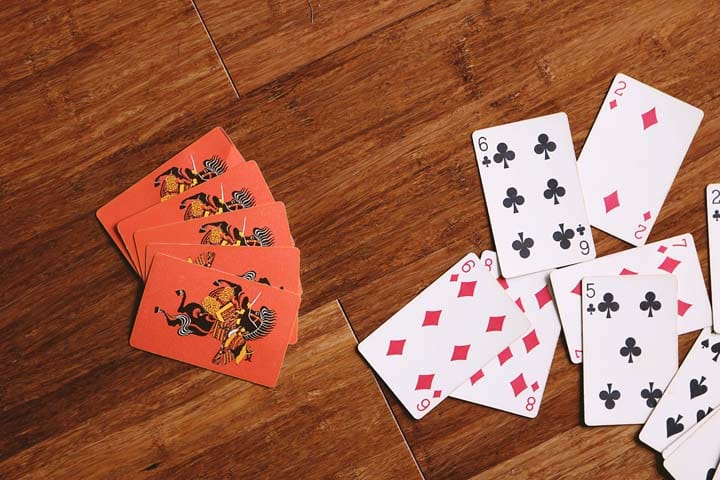
Card games have enthralled humanity for centuries, transcending cultures, continents, and generations with their blend of strategy, chance, and social interaction. Whether enjoyed as a casual pastime among family and friends or in the refined atmosphere of competitive tournaments, card games offer an unparalleled balance of mental agility and entertainment. This article explores the fascinating history, diverse forms, and enduring appeal of card games, revealing why these simple pieces of paper or plastic remain beloved symbols of leisure and intellect.
The Origins of Card Games: From Ancient Beginnings to Global Spread
The story of card games stretches back over a millennium, beginning in the ancient world and evolving through countless cultural transformations.
Early Beginnings in Asia
Playing cards are believed to have originated in China during the Tang Dynasty (9th century AD). These early cards, often referred to as “leaf cards,” were crafted from wood or paper and featured symbols and characters that likely inspired various games. Their initial roles included both amusement and gambling, making them versatile tools of entertainment.
From China, playing cards spread to neighboring regions such as Korea and Japan, where they evolved uniquely. For instance, Japan developed Karuta, a card game with beautifully illustrated cards drawing on traditional poetry and folklore.
Introduction to the Islamic World and Europe
By the 13th and 14th centuries, playing cards reached the Islamic world and Europe. The Mamluk Sultanate in Egypt created a standard set of playing cards featuring suits such as cups, swords, coins, and polo sticks. These suits, combined with intricate art, influenced the design of future decks worldwide.
European traders and travelers introduced these cards to the Mediterranean basin, where countries like Italy and Spain embraced and adapted them. By the late 14th century, playing cards had become established in Europe, where diverse regional variations and suits emerged.
The Standardization of the Modern Deck
The French playing card design of the late 15th century profoundly shaped western decks. The suits of hearts, diamonds, clubs, and spades replaced earlier regional symbols and were paired with the now-familiar court cards: King, Queen, and Jack. These designs benefited from the recent advent of the printing press, making cards more widely available and affordable.
Over the subsequent centuries, several important innovations appeared:
-
Double-ended court cards allowing easier handling without revealing card orientation.
-
Corner indices to facilitate holding a fan of cards discreetly.
-
Introduction of the Joker card in the mid-19th century, first as a trump card for the game Euchre.
With these developments, the 52-card deck became a universal standard, setting the stage for countless enduring game variants.
The Diversity of Card Games: A Spectrum of Strategy and Chance
Card games defy easy categorization due to their vast assortment of types, each appealing to different tastes and play styles.
Popular Categories
-
Trick-taking Games: Games such as Bridge and Spades require players to win “tricks” by playing the highest card in a round. These games demand strategic planning, communication, and memory.
-
Shedding Games: Games like Uno and Crazy Eights focus on quickly disposing of cards, blending luck with timely decisions.
-
Matching and Building Games: Rummy and Go Fish involve forming sets or sequences, combining strategy and observation.
-
Gambling Games: Poker, Blackjack, and Baccarat integrate betting with skill and chance, creating high-stakes excitement.
-
Collectible Card Games (CCGs): Games such as Magic: The Gathering introduced the concept of customizable decks, combining strategic deck-building with fantasy themes.
The Appeal of Card Games
The charm of card games lies in their harmonious blend of mental challenge and sociability. Many games foster deep strategic thinking, honing skills such as probability analysis, psychology, and memory. Simultaneously, they provide rich social interaction, whether around a family table or in competitive clubs.
Why Card Games Continue to Captivate
Several factors contribute to the perennial popularity of card games:
-
Accessibility: A deck of cards is portable, inexpensive, and easy to learn, making card games accessible worldwide.
-
Endless Variety: The sheer number of games and variations suit all ages, skill levels, and interests.
-
Balance of Skill and Chance: Many card games reward strategic thinking while retaining an element of unpredictability, keeping players engaged.
-
Cultural Resonance: Card games often echo cultural narratives and have embedded themselves in art, literature, and social traditions.
-
Technological Adaptation: The evolution into digital and online formats has introduced card games to new generations and expanded opportunities for global play.
Essential Tips for Card Game Enthusiasts
-
Explore New Games: Trying different types expands your skills and enjoyment.
-
Master the Rules: Proper knowledge enhances both competitiveness and fun.
-
Practice Regularly: Skill development deepens appreciation and strategic ability.
-
Engage Socially: Sharing games with others enriches the experience.
-
Maintain Sportsmanship: Respect and kindness foster positive play environments.
Conclusion: Card Games as a Cultural Treasure and Intellectual Pursuit
Rooted in ancient traditions and evolved into modern forms, card games are far more than mere pastimes. They are dynamic cultural artifacts, intellectual exercises, and communal experiences—celebrating human ingenuity, chance, and connection.
Whether unfolding as a casual diversion or a serious contest of skill, card games invite players into a rich world of strategy, history, and companionship. As they continue to evolve, they remain a testament to the enduring power of play, captivating minds and hearts across generations.
Embrace the world of card games: with every shuffle and deal, you partake in a magnificent legacy that balances tradition with endless variety, strategy with chance, and individual skill with shared joy.
