
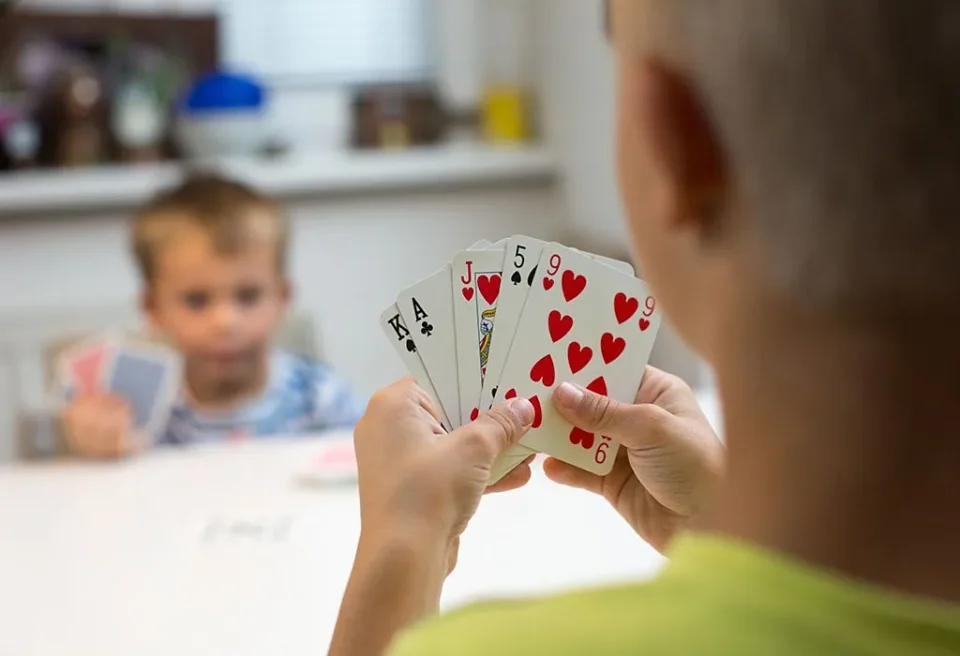
Card games occupy a unique space in the world of entertainment, blending tradition, strategy, and social connection in a timeless tapestry that spans continents and centuries. From their ancient origins in Asia to their widespread popularity across Europe and the Americas, card games have evolved into countless variations that continue to delight and challenge players today. This article explores the fascinating history, cultural significance, and enduring appeal of card games, unveiling why they remain a beloved pastime with extraordinary depth and diversity.
The Historical Genesis of Card Games: From East to West
The story of card games begins in the East, where some of the earliest known playing cards appeared.
Origins in Ancient China
Modern scholarship suggests that playing cards originated in China during the Tang Dynasty, around the 9th century CE. Early cards likely evolved from paper money or dominoes used in games, known as “leaf cards.” These cards were hand-painted and served multiple functions, including gambling, education, and entertainment.
The Spread Across Asia and Into the Islamic World
Playing cards continued to develop, spreading to other Asian regions such as India and Persia. In the Islamic world, specialized suits emerged, featuring objects like cups, swords, coins, and polo sticks, which formed the basis of the later “Latin” suits.
Arrival in Europe and Transformation
By the late 14th century, playing cards had reached Europe through trade and cultural exchange, likely originating in Mediterranean ports such as Italy and Spain. European card makers adapted the suits and designs considerably:
-
The German tradition introduced suits such as leaves, hearts, acorns, and bells.
-
The French revolutionized card design around the late 15th century by introducing the suits we recognize today: clubs, diamonds, hearts, and spades.
-
French designers also standardized the use of red and black colors, improving manufacturing efficiency through stencils.
Court cards evolved as well, reflecting European royalty with Kings, Queens, and Jacks replacing earlier figures. By the 17th and 18th centuries, the deck’s design matured into what we now consider the traditional 52-card deck.
The Mastery of Card Design: Innovations Through the Centuries
The evolution of playing cards is not merely aesthetic but practical and technological.
-
Corner Indices: Introduced in the 18th century, these allowed players to hold cards in a fan without revealing their values.
-
Double-Ended Court Cards: Emerging in the 1700s, these designs—featuring mirrored images on court cards—allowed ease of play and concealed identity.
-
Joker Card: First created in the United States during the 19th century as an addition to the Euchre deck, the Joker eventually became a staple for many card games as a wild card.
-
Mass Production: Advances in printing technology, such as those pioneered by Thomas de la Rue in the 19th century, made playing cards affordable and widely available, helping spread their popularity further.
The Diversity of Card Games: A Spectrum of Fun and Challenge
Card games are remarkable for their diversity, ranging from easy-to-learn games for entertainment to high-stakes games demanding strategic prowess.
Popular Categories of Card Games
-
Trick-Taking: Games like Bridge, Whist, and Spades focus on winning rounds (or tricks) through tactical play.
-
Shedding Games: Players race to get rid of their cards first in games like Uno and Crazy Eights.
-
Matching and Collecting: Go Fish and Rummy challenge players to form pairs or sets.
-
Gambling Games: Poker, Blackjack, and Baccarat combine chance, psychology, and betting.
-
Trading and Collectible Card Games: Magic: The Gathering and Pokémon introduced deck-building and fantasy themes to appeal to modern audiences.
Each category brings distinct rules, objectives, and skills, ensuring there is a card game suitable for almost every taste and occasion.
Why Card Games Endure: The Unique Appeal
The sustained popularity of card games can be attributed to several interwoven factors:
-
Accessibility: A standard deck of cards is affordable, compact, and easy to carry, available almost anywhere worldwide.
-
Intellectual Engagement: Many card games foster skills in memory, strategy, probability, and psychology.
-
Social Bonding: Card games provide rich social experiences, fostering conviviality in casual and competitive settings.
-
Adaptability: Card games evolve easily, integrating new rules, themes, and formats, including digital platforms.
Practical Tips for Enjoying Card Games
-
Explore Various Games: Sampling different styles deepens appreciation and unveils new favorite pastimes.
-
Learn the Basics: Understanding fundamental rules enhances enjoyment and strategic depth.
-
Play Both Casual and Competitive: Balance fun and challenge offers the richest experiences.
-
Respect Opponents: Kindness and sportsmanship ensure a positive atmosphere.
-
Join Communities: Engaging with local clubs, online groups, or tournaments expands social opportunities.
Conclusion: Card Games as Cultural Treasures
From their tentative beginnings in ancient Asia to their sophisticated modern forms, card games have become more than simple pastimes. They are cultural artifacts, strategic challenges, and social rituals that continue to captivate millions around the globe.
Every shuffle, deal, and play echoes centuries of shared human experience—a testament to the enduring power of play. Whether gathered around a rustic table or connecting through electronic screens, card games invite us to embrace tradition and creativity, challenge intellect, and build bonds.
In the world of games, few hold the timeless elegance and infinite variety of the classic card game—a true gem bridging past, present, and future.
