
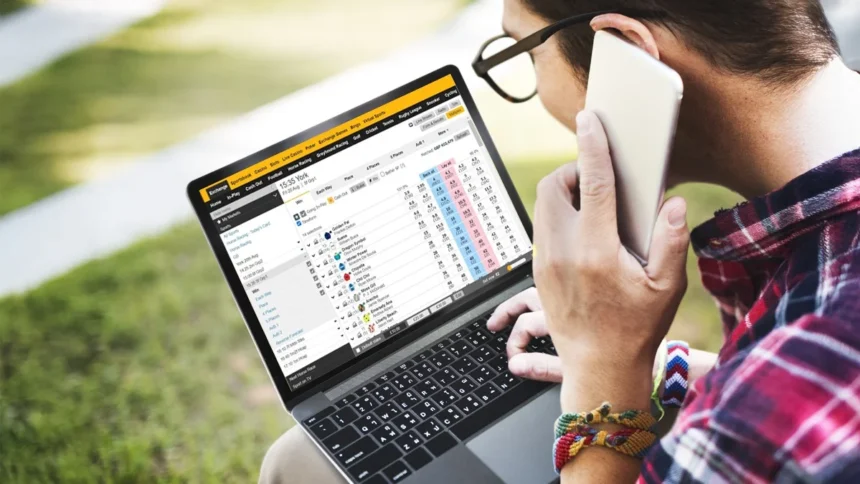
Sports betting has evolved rapidly over the past two decades. What was once dominated by traditional bookmakers is now shared with betting exchanges, a model that flips the old system on its head. While both allow bettors to wager on sporting events, the way they operate—and how players experience them—differs significantly.
This article breaks down the key differences, advantages, and drawbacks of betting exchanges versus traditional bookmakers so you can decide which model suits your betting style.
Understanding Traditional Bookmakers
Traditional bookmakers act as the middleman between bettors and sporting events. They set the odds, accept bets, and pay out winnings.
How Traditional Bookmakers Work
-
Odds are set and adjusted by the bookmaker
-
The bookmaker takes the risk on every bet
-
Profit is built into the odds through a margin (also called the overround)
Key Characteristics
-
Fixed odds betting
-
Simple, beginner-friendly platforms
-
Wide selection of markets and promotions
What Are Betting Exchanges?
A betting exchange allows bettors to bet against each other rather than against a bookmaker. The platform simply facilitates the transaction and charges a commission on winnings.
How Betting Exchanges Work
-
Users can back (bet for) or lay (bet against) an outcome
-
Odds are driven by market demand
-
The exchange earns money via commission, not odds manipulation
Key Characteristics
-
Peer-to-peer betting
-
Typically higher odds
-
Advanced betting features
Odds: Who Offers Better Value?
Odds value is one of the most important differences between the two models.
Traditional Bookmakers
-
Odds include a built-in profit margin
-
Prices are often shorter than the true probability
-
Promotions may temporarily improve value
Betting Exchanges
-
Odds are usually closer to true market value
-
No hidden margin in pricing
-
Commission applies only to winnings
Bottom line: Betting exchanges generally offer better long-term value, especially for experienced bettors.
Flexibility and Betting Options
Betting Exchanges
-
Ability to lay bets, not just back outcomes
-
Options for trading bets before events end
-
Ideal for hedging and in-play strategies
Traditional Bookmakers
-
Limited to backing outcomes
-
Cash-out features controlled by the bookmaker
-
Less flexibility overall
Risk, Limits, and Account Restrictions
Traditional Bookmakers
-
May restrict or close accounts of successful bettors
-
Betting limits can be reduced without notice
-
Odds can change quickly after bets are placed
Betting Exchanges
-
Rarely restrict winning players
-
Liquidity determines maximum stake, not the platform
-
More transparent market behavior
Ease of Use and Accessibility
Traditional Bookmakers Are Better For:
-
Beginners
-
Casual bettors
-
Those who prefer simplicity and promotions
Betting Exchanges Are Better For:
-
Experienced bettors
-
Value hunters
-
Strategy-based and professional bettors
Fees and Profit Structure
Here’s how each model makes money:
Traditional Bookmakers
-
Profit built into odds
-
Losses from bettors directly fund payouts
Betting Exchanges
-
Commission on net winnings
-
No interest in which outcome wins
This difference often makes betting exchanges feel more neutral and transparent.
Which One Should You Choose?
The right choice depends on your goals and experience level.
Choose a traditional bookmaker if you:
-
Are new to sports betting
-
Enjoy bonuses and free bets
-
Prefer straightforward wagering
Choose a betting exchange if you:
-
Want better odds and long-term value
-
Use advanced betting strategies
-
Don’t want restrictions for winning consistently
Final Thoughts
Betting exchanges and traditional bookmakers both have a place in modern sports betting. Bookmakers excel in accessibility and ease of use, while exchanges shine in value, flexibility, and fairness. Many serious bettors even use both, choosing the platform that best suits each bet.
Understanding how each model works gives you an edge—no matter which side you choose.
Frequently Asked Questions (FAQs)
1. Are betting exchanges legal?
Yes, betting exchanges are legal in many regulated markets, though availability depends on local gambling laws.
2. Do betting exchanges always offer better odds?
Not always, but they often provide better odds due to reduced margins and market-driven pricing.
3. What does “lay betting” mean?
Lay betting allows you to bet against an outcome, essentially acting like a bookmaker for that wager.
4. Are betting exchanges safe to use?
Licensed betting exchanges operate under strict regulations and use secure payment systems.
5. Can beginners use betting exchanges?
Yes, but beginners may face a learning curve due to more complex features and terminology.
6. Why do bookmakers limit winning players?
Bookmakers manage risk by limiting players who consistently exploit pricing inefficiencies.
7. Can I use both betting exchanges and bookmakers?
Absolutely. Many bettors combine both to maximize value, flexibility, and opportunities.
