
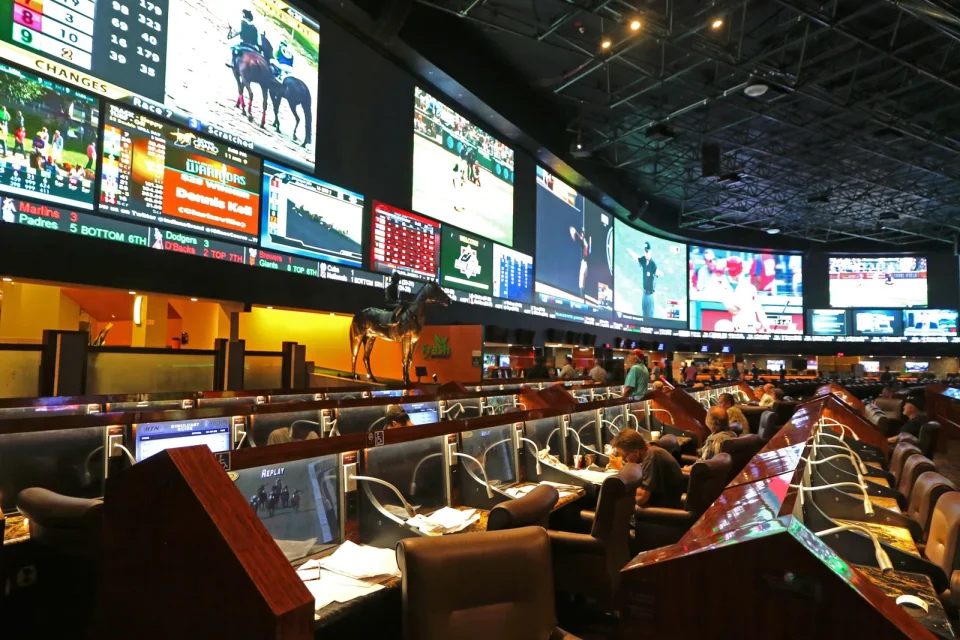
Betting is an age-old practice that has fascinated humankind for centuries, intertwining elements of chance, skill, psychology, and strategy. It occupies a unique space where the thrill of uncertainty meets the allure of potential reward. Whether placed on sports, casino games, elections, or speculative markets, betting continues to captivate millions worldwide. This article guides you through the essence of betting, explaining fundamental concepts, popular bet types, odds formats, and strategies to approach this delicate art with both passion and prudence.
The Core Principle of Betting: Risk and Reward
At its foundation, betting is an agreement where you wager something of value—typically money—on an uncertain future event in exchange for potential return. The greater the perceived risk or unlikelihood of success, the higher the potential reward offered by bookmakers or betting platforms.
Understanding betting fully involves grasping the concept of odds, which represent both the likelihood of an event happening and the payout ratio. Mastery of odds enables bettors to recognize value, manage bankrolls, and make informed decisions rather than rely solely on luck or intuition.
Unpacking the Three Main Odds Formats
Globally, betting odds are presented primarily in three formats, each preferred in different regions but fundamentally conveying the same information.
Fractional Odds (British Odds)
Popular in the UK and Ireland, fractional odds present your potential profit relative to your stake. For example, odds of 5/1 mean you win 5 units for every 1 unit wagered, in addition to recovering your original stake.
Fractional odds are intuitive for many as they straightforwardly express your profit. However, they can appear cumbersome for rapidly comparing bets or performing mental calculations.
Decimal Odds (European Odds)
The most widely used worldwide, especially in Europe, Canada, and Australia, decimal odds express the total return for each unit wagered, including your stake. For instance, at odds of 3.00, a $10 bet would return $30 (your $10 stake plus $20 profit).
Decimal odds simplify calculations, making them ideal for beginners and professionals alike.
Moneyline Odds (American Odds)
Predominant in the United States, moneyline odds use plus (+) and minus (−) signs to indicate the favorite and underdog. Positive odds show how much profit you’d make on a $100 bet (e.g., +150 means $150 profit on $100 bet), while negative odds show how much you must stake to win $100 (e.g., −150 means you must bet $150 to win $100).
This format reflects the betting landscape’s intense focus on favorites and underdogs, often used in sports betting.
Diverse Types of Bets: From Simplicity to Complexity
Betting offers an impressive array of wager types, each suited to different strategies and risk appetites.
Single (Straight) Bets
The simplest form where you bet on one outcome. If your prediction happens, you win; if not, you lose. Ideal for beginners and straightforward wagering.
Parlay (Accumulator) Bets
Combining multiple individual bets into one larger wager, parlays increase potential payout by multiplying odds, but require all selections to win. They carry higher risk but offer enticing rewards.
Over/Under Bets
A popular bet type where you wager on whether a specific statistic (often total points scored) will be over or under a set threshold. Common in football, basketball, and other sports.
Prop Bets (Proposition Bets)
These specialized bets focus on events within games rather than final results, like which player scores first or how many fouls occur, adding layers of entertainment and complexity.
System Bets
Complex bets comprising combinations of smaller parlay bets, system bets allow bettors to win even if not all selections succeed, balancing risk and reward more cautiously.
Strategic Approaches to Betting
While the outcome of many events is unpredictable, informed bettors use strategies to manage risk and improve profitability:
-
Study teams, players, and conditions thoroughly to identify value bets.
-
Understand odds and seek bets where probability outweighs implied odds.
-
Manage bankroll effectively, setting limits to avoid chasing losses.
-
Consider betting markets deeply; sometimes niche markets provide better opportunities.
-
Use multiple bookmakers to compare odds for best value.
-
Keep records and analyze your betting patterns to improve discipline.
Psychology and Responsible Betting
Betting isn’t purely mechanical; it involves managing human emotions and biases:
-
Avoid the illusion of control — luck plays a major part.
-
Resist chasing losses, which leads to destructive behavior.
-
Understand the gambler’s fallacy — past outcomes don’t influence independent events.
-
Keep gambling fun and within personal limits, using self-exclusion and support resources if needed.
Conclusion
Betting offers a potent blend of excitement, challenge, and potential reward that few other pursuits match. With a solid grasp of odds, betting types, and strategic nuance, players can elevate their experience beyond mere luck to thoughtful engagement. Importantly, maintaining emotional discipline and responsible practices ensures betting remains an enjoyable and sustainable form of entertainment.
Whether you are a casual bettor placing a friendly wager or a dedicated strategist analyzing markets, betting embodies the timeless human dance with chance and decision — where every stake tells a story of risk, hope, and the allure of victory.
