
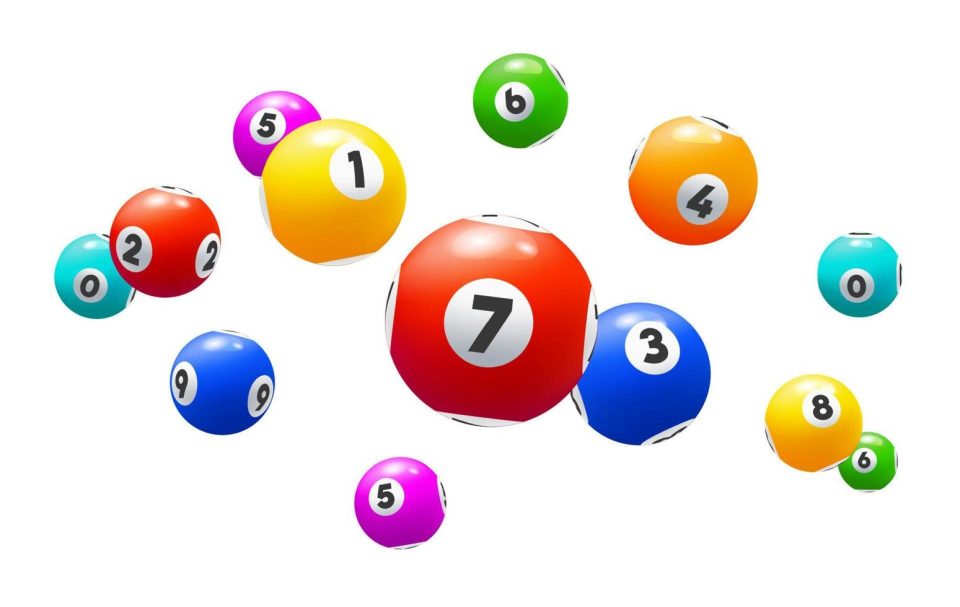
Bingo is more than just a simple game of chance; it is a cultural phenomenon that has endured for nearly five centuries, bringing people together through excitement, competition, and social interaction. Its journey from humble origins in Italy to the widespread modern-day popularity found both in communal halls and online platforms showcases its unique ability to adapt and captivate across generations and geographies. This article explores the rich history, engaging mechanics, and lasting appeal of bingo, illustrating why it remains a beloved game worldwide.
The Origins: From Italian Lotteries to the French Aristocracy
Bingo’s earliest ancestor can be traced back to early 16th-century Italy, where a lottery-like game called Il Gioco del Lotto d’Italia was played. This game involved players marking numbers on cards as they were drawn from a pool. It was widely enjoyed, becoming a staple Saturday pastime among Italians.
By the 18th century, bingo had traveled to France, where it became known as Le Lotto. Here, the game evolved closer to its modern form, featuring cards arranged in a grid format and played in social settings, particularly among French aristocrats. The basic premise — matching numbers drawn from a barrel or bag on personal cards — remained constant but gained structure and popularity in this new context.
The Educational Role in Germany
In the 19th century, German educators saw the potential of bingo as a valuable teaching tool. They adapted the game to help children learn numbers, spelling, and even multiplication tables, introducing it into classrooms as a fun and practical educational aid. This innovative use reflected the game’s versatility, bridging entertainment and pedagogy.
The American Transformation: From Beano to Bingo
Bingo’s journey to the United States in the early 20th century signaled its rise as a popular community game. Initially called “Beano” and played at carnivals, the game involved players marking off numbers with dried beans. Legend credits Edwin S. Lowe, a toy salesman, with popularizing the game nationally after hearing a player shout “Bingo!” instead of “Beano” during an enthusiastic win in 1929.
Lowe formalized the rules and began mass-producing bingo cards, transforming the game into a household name. By the 1940s, bingo was a common social event in American churches, schools, and community centers—not only for fun but also as a key fundraising tool.
The Mechanics of Modern Bingo
Modern bingo uses cards typically furnished with 75 numbers arranged in a 5×5 grid, with each column headed by one letter from B-I-N-G-O. Players mark numbers as they are randomly drawn and announced, aiming to complete preset patterns such as lines, shapes, or full card coverage (blackout). Multiple patterns create diverse gameplay options, keeping bingo fresh and engaging.
Bingo’s Enduring Appeal: More Than Just Numbers
Bingo’s lasting popularity results from a blend of factors:
-
Community and Social Connection: Bingo halls and online platforms foster an inclusive, joyous atmosphere where players share the thrill and suspense together.
-
Accessibility: Easy to learn and play, bingo crosses age and skill boundaries, welcoming a diverse audience.
-
Excitement and Anticipation: The random draw combined with pattern completion triggers dopamine release, creating emotional highs during play.
-
Philanthropic Roots: Bingo’s longstanding role in funding charitable causes reinforces its positive social image.
Bingo in the Digital Age
Online bingo platforms have introduced a global and interactive dimension to the game. Players can join themed rooms, compete in virtual tournaments, and chat with fellow enthusiasts regardless of location. Mobile apps provide convenience, allowing play anytime and anywhere without losing the traditional community spirit.
Innovations like musical bingo, which combines the classic numbers game with live music and entertainment, add fresh vitality and appeal to broader audiences, blending tradition with modern fun.
Bingo Culture: Symbols, Traditions, and Oddities
The game is surrounded by unique cultural elements: players often use brightly colored daubers to mark numbers; lucky charms, from rabbit’s feet to personalized tokens, are commonplace; and specific calls and chants contribute to the lively ambiance. These elements enrich the social fabric of bingo, creating an enduring shared experience.
Conclusion
Bingo is a remarkable testament to the timeless power of simple games to entertain, unite, and inspire. From its origins as a modest Italian lottery to its current status as a global pastime, bingo has continuously adapted while keeping its core excitement and community values intact.
For players seeking a blend of chance, strategy, social interaction, and the chance to celebrate shared success, bingo remains a captivating adventure ensuring laughter, connection, and moments of exhilaration across generations. Whether in a bustling hall or through digital screens, the joy of “Bingo!” continues to resonate with countless hearts around the world.
