
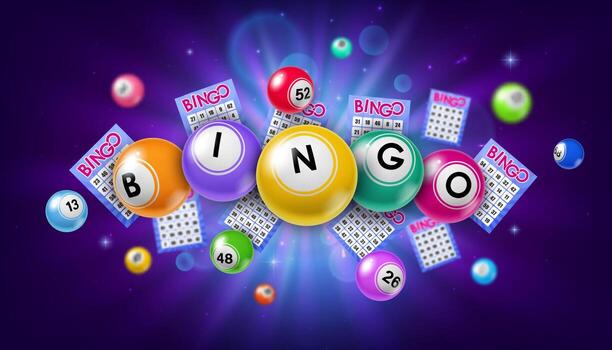
Bingo is a captivating game that has enchanted players for nearly five centuries, evolving from its lottery origins into a global pastime embraced by millions. More than a mere game of chance, bingo thrives on its social essence, accessibility, and the joyous anticipation it evokes. This article journeys through the rich history of bingo, explores its gameplay and variations, and reveals the reasons for its enduring popularity in both physical halls and the digital realm.
The Origins: From Italian Lotteries to French Aristocracy
Bingo’s roots trace back to 16th-century Italy, where a game called Il Gioco del Lotto d’Italia was played. This was essentially a lottery game where players marked numbers on cards as they were drawn, laying the foundation of what would develop into modern bingo. The game quickly spread to France by the late 1700s and became known as Le Lotto, gaining favor particularly among French aristocrats who played it as a social pastime.
France introduced cards with numbers arranged in grids closer to contemporary designs. The game’s transition from a public lottery to a sociable parlor game marked a significant evolution, embedding it firmly within community life and entertainment.
Educational Influence and Transformation
During the 1800s, Germany adapted the game for educational purposes, using it to teach children numbers, spelling, and arithmetic. This period highlights bingo’s versatility, functioning both as an engaged social game and an educational tool.
Bingo’s Journey to the United States: Birth of a National Craze
Bingo reached American shores in the early 20th century, where it was initially known as “Beano.” People played it at carnivals using beans to mark their cards, a simple yet engaging format.
Legend has it that in 1929, a player’s excited shout of “Bingo!” instead of “Beano” during a game at an Atlanta carnival gave birth to the modern name. Edwin S. Lowe, a toy salesman who witnessed the game, is credited with popularizing it nationally. He refined the game, creating standardized bingo cards and rules, and launched Bingo as we know it today.
By the 1930s and 40s, bingo had become ubiquitous across community centers, churches, and schools, cementing itself as not only a recreational activity but also a key fundraising mechanism for various causes.
The Gameplay Essentials: Patterns, Cards, and Community
Traditional bingo is played with cards consisting of grids containing numbers arranged under the letters B-I-N-G-O. Numbers are drawn randomly, and players mark them off on their cards. The goal is to complete a specific pattern—commonly a line, full house (blackout), or other shapes—before other participants.
The game’s beauty lies in its simplicity, allowing players of all ages and skill levels to participate and enjoy. This accessibility contributes greatly to bingo’s enduring appeal.
The Social Fabric of Bingo
Bingo’s charm extends far beyond mere numbers. It serves as a vibrant social glue:
-
Creating lively, communal environments where people gather for fun and friendly competition.
-
Providing a sense of belonging through shared anticipation and celebration.
-
Offering inclusive entertainment welcoming of all ages and backgrounds.
Many communities rely on bingo events as social and charitable colloquiums, strengthening local ties and supporting important causes.
Digital Evolution: Bingo in the Online Era
The rise of the internet and mobile technology has breathed new life into bingo, making it accessible to global audiences. Online bingo platforms bring players together virtually, offering:
-
Interactive chat features fostering community spirit.
-
Customizable rooms and themed games enhancing engagement.
-
Tournaments and competitions that add a dynamic edge.
-
Innovative formats like musical bingo blending play with entertainment.
This digital transformation preserves the essence of traditional bingo while creating novel experiences suited to contemporary lifestyles.
Why Does Bingo Endure?
Bingo’s timeless allure stems from several key qualities:
-
Simplicity: Easy rules and fast-paced gameplay make it accessible and enjoyable.
-
Social Connection: It fosters interaction and communal joy.
-
Excitement and Anticipation: The suspense of random draws triggers enduring excitement.
-
Inclusivity: Welcoming to people of all ages and skill levels.
-
Charitable Impact: Continuously supports community fundraising and social causes.
Conclusion
Bingo stands as a remarkable testament to the enduring power of play, community, and chance. From its 16th-century lottery roots to modern online platforms, it continues to bring joy, connection, and opportunity to millions.
Whether gathered in bustling halls, local community centers, or digitally across continents, the delight of marking a winning number and calling out “Bingo!” remains a universally cherished moment—a vibrant celebration of luck, luck, and shared human spirit.
