
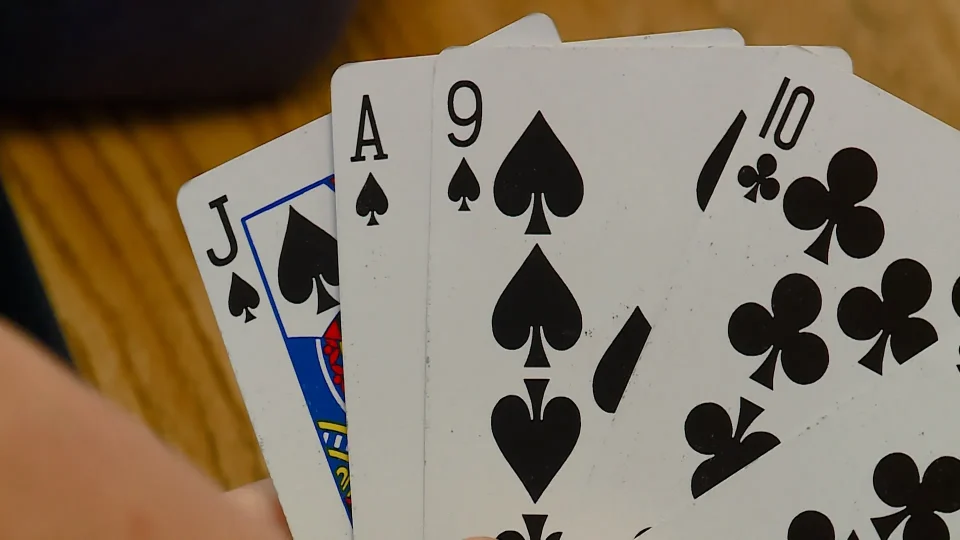
Poker is much more than a card game; it is a global cultural phenomenon that melds luck with logic, psychology with strategy, and tradition with innovation. Renowned for its blend of skill and chance, poker has not only survived centuries but thrived, evolving into many riveting variants and shaping the modern face of competitive card gaming. This article explores poker’s rich history, its fascinating evolution, core gameplay mechanics, and the allure that continues to captivate millions around the world.
The Intriguing Origins of Poker
Tracing the exact origin of poker is complex, as the game likely emerged from an amalgamation of ancient and early modern card games from multiple cultures.
Ancestral Games: Poque, As-Nas, and Primero
Scholars link poker’s roots to the 16th and 17th centuries with the French game Poque, from which the English word “poker” is derived. Poque’s name itself comes from the German word “pochen,” meaning “to brag” or “to bluff,” highlighting the critical element of deception.
Also significant is the Persian game As-Nas, a 16th-century game involving betting rounds and hand rankings somewhat resembling modern poker hands. Similarly, European Renaissance games like Primero and Brelan had elements of betting and bluffing, which in turn influenced the evolving poker landscape.
Emergence in America
Poker as we largely recognize it began taking shape in the early 19th century United States, particularly in the bustling gambling halls and riverboats along the Mississippi River. The first known written reference to poker was in 1829, describing a game played with a 20-card deck and involving betting and bluffing.
The game quickly spread across America with settlers moving westward, gathering steam during the Gold Rush and Civil War eras. This period saw the development of new variants incorporating the full 52-card deck and the foundation for hand rankings like straights and flushes.
The Flourishing of Poker Variants
Poker is not a monolithic game but a group of variants that offer different gameplay styles, strategic challenges, and cultural flavor.
-
Draw Poker: Introduced in the mid-19th century, it allows players to exchange cards to improve their hands.
-
Stud Poker: Popular during the Civil War, featuring a combination of face-up and face-down cards, emphasizing memory and observation.
-
Community Card Poker: Games such as Texas Hold ’Em and Omaha involve shared “community” cards, creating dynamic betting rounds and strategy layers.
-
Variants like Razz, Pineapple, and lowball further diversify the poker family.
Among all, Texas Hold ’Em emerged as the dominant form worldwide, popularized through televised tournaments and online platforms.
Poker’s Meteoric Rise: From Saloons to Global Stages
The 20th century ushered in the “Poker Boom,” a transformative era fueled by:
-
The growth of the World Series of Poker (WSOP) established in 1970, the premier tournament bringing global attention to poker.
-
The advent of hole-card cameras on TV broadcasts, which revealed players’ hidden cards to audiences, greatly enhancing viewer engagement.
-
The explosion of online poker in the late 1990s and early 2000s made the game accessible to millions globally.
This boom has created a new generation of professional players, elevated poker into a spectator sport, and integrated it into pop culture.
The Heart of Poker: Skill, Psychology, and Strategy
Poker is a game where chance meets intellect. Triumph depends on a player’s ability to:
-
Calculate probabilities and odds for making or improving hands
-
Psychologically read opponents, interpreting betting patterns and behavioral “tells”
-
Perfect the art of bluffing, creating deceptive narratives to outmaneuver others
-
Maintain discipline and patience, crucial for long-term success
This rich cognitive tapestry sets poker apart from pure luck games, demanding and rewarding strategic thinking, emotional control, and adaptability.
Poker’s Social and Cultural Impact
More than just gambling, poker has impacted society and culture:
-
It symbolizes the American frontier spirit—risk-taking, ingenuity, and resilience.
-
Poker rooms foster social connection, bridging divides of background, class, and culture.
-
The game’s terminology and strategies have even influenced business, negotiation, and decision-making theories.
-
Poker’s cinematic and literary portrayals continue to inspire fascination and mythos.
Practical Advice for Aspiring Players
-
Invest time in learning fundamental hand rankings and betting structures.
-
Start with low-stake games to build experience without heavy risk.
-
Observe and analyze more experienced players to refine your skills.
-
Balance aggression and caution, adjusting strategies based on opponents and situations.
-
Keep bankroll management central—never bet more than you can sustainably afford to lose.
Conclusion: Poker’s Enduring Legacy
Poker stands as a monument to the human fascination with risk, reward, and strategy. Its journey from obscure card games of Europe and Persia through American saloons to global grand stages embodies a compelling narrative of cultural fusion and evolution.
Whether played casually among friends or in high-stakes professional tournaments, poker mesmerizes with its delicate balance of luck and strategy, psychology and chance. The game remains a captivating expression of competition, skill, and the eternal allure of the unknown hand yet to come.
