
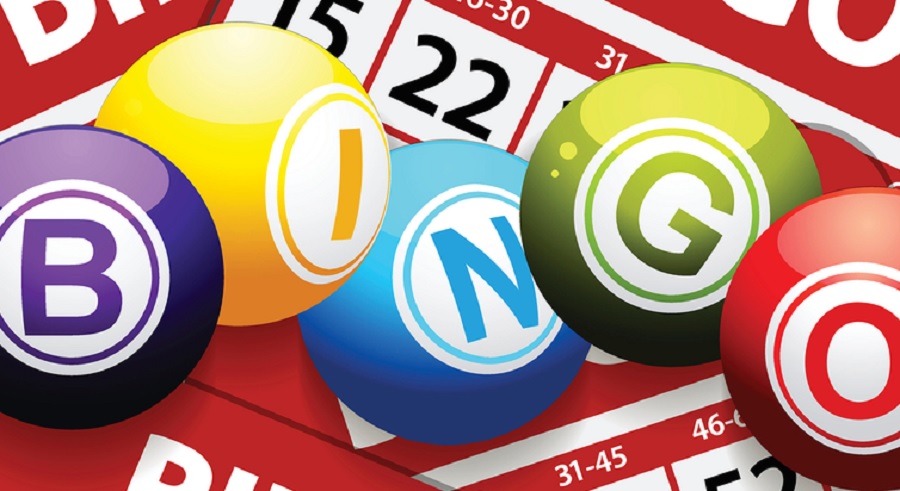
Bingo is much more than just a simple game of chance; it is a cultural phenomenon that has woven its way through centuries of history and societies worldwide. Its enduring popularity lies not only in the excitement of matching numbers but also in the community spirit and lively atmosphere that surrounds it. This article traces the fascinating evolution of bingo, explores its variety of forms, and delves into the reasons why it remains a beloved pastime in the digital age.
The Origins: From Italian Lotteries to Global Fame
The game we now know as bingo originated nearly 500 years ago in Italy under the name Il Gioco del Lotto d’Italia. The 16th-century Italians played this lottery-like game weekly, marking numbers drawn from a pool on personal cards. This early form laid the foundation for the mechanics of bingo, where luck intersects with anticipation.
By the 1700s, the game had traveled to France, adopting the name Le Lotto and evolving to include cards akin to the modern bingo format — grids of numbers arranged in rows and columns. Le Lotto was especially popular among French aristocrats and was often played at social gatherings, signaling its early role as a communal pastime.
In the 1800s, bingo’s educational potential was recognized in Germany, where similar games were used to teach children numbers, spelling, and logic. This use of the game as a teaching tool underscores its simplicity and adaptability.
The American Reinvention: From “Beano” to Bingo
Bingo as we know it took shape in the United States in the early 20th century. Originally known as “Beano,” the game was a carnival favorite in Pennsylvania, where dried beans were used to mark cards as numbers were called out.
In 1929, Edwin S. Lowe, a toy salesman, witnessed the game at a traveling carnival near Atlanta. Fascinated, he saw the potential to popularize it further. Legend has it that during a game, a player became so excited when winning that she shouted “Bingo!” instead of “Beano,” and the name stuck.
Lowe went on to mass-produce bingo cards and published a rule book, standardizing the game’s format. By the 1940s, bingo was a nationwide sensation in America, spreading rapidly in community centers, churches, and schools as a fun and social activity, also serving as a fundraising tool.
The Classic Game and Its Variations
Modern bingo typically involves a card with a 5×5 grid containing numbers, with the center square often designated as a free space. Players listen as numbers are drawn randomly, marking their cards accordingly.
Popular patterns include:
-
Straight Line: Completing a full vertical, horizontal, or diagonal line.
-
Full House (Blackout): Covering all numbers on the card.
-
Other Patterns: Depending on the game, special shapes and designs may be required.
Bingo comes in multiple formats worldwide, including:
-
90-Ball Bingo: Widely played in the UK, using cards with 3 rows and 9 columns.
-
75-Ball Bingo: Common in the US, with a 5×5 grid.
-
Electronic Bingo: Incorporating digital aids and online platforms.
-
Musical Bingo: A vibrant variation combining music and bingo for added entertainment.
Community, Connection, and Entertainment
Bingo’s charm goes beyond the numbers. It’s a social experience fostering camaraderie and shared excitement. Whether in a bustling bingo hall, a community center, or an online room, the game brings people together across generations.
-
Social Interaction: Players bond over the shared suspense and celebratory shouts of “Bingo!” creating joyful atmospheres.
-
Fundraising and Charity: Bingo nights fund countless community projects, schools, and non-profits, embedding the game deeply in social causes.
-
Inclusivity: Easy to learn and play, bingo welcomes all ages and skill levels, making it ideal for family gatherings and community events.
Bingo in the Digital Era
The digital revolution has transformed bingo’s reach and nature. Online bingo platforms allow players to connect globally, offering interactive features such as chat, themed rooms, and customizable gameplay.
Mobile apps bring bingo to players’ fingertips, enabling gaming on the go without losing the fun and social essence. Additionally, innovative formats like musical bingo and tournament play engage new audiences, blending tradition with modern trends.
Why Bingo Endures: The Psychology of Play
At its core, bingo appeals to fundamental human desires:
-
Anticipation and Hope: The randomized draws create suspense and excitement as players await their numbers.
-
Winning and Achievement: The ritual of marking off numbers and completing patterns provides rewarding moments.
-
Social Bonding: Celebrating wins and sharing stories build connection and belonging.
-
Low Barrier to Entry: Its simplicity ensures broad accessibility, requiring minimal skills yet providing maximum enjoyment.
Conclusion
From its humble origins in Italian lotteries to its vibrant presence in digital platforms today, bingo stands as a testament to the enduring power of games to connect, entertain, and inspire. The simple act of marking numbers on a card carries with it centuries of history, culture, and human connection.
Whether you’re a casual player seeking a fun night out or part of an online community connecting across continents, bingo offers an unmatched experience of suspense and joy—a timeless celebration of chance, camaraderie, and the thrill of the win.
